
Museum Visit Choice Guide: The best museum visit format depends on how much structure, context, flexibility, and social interaction you want. Guided tours offer interpretation and pacing, audio guides offer self-paced context, and independent visits offer maximum control.
The best museum visit format depends on how much structure, context, flexibility, and social interaction you want. Guided tours offer interpretation and pacing, audio guides offer self-paced context, and independent visits offer maximum control.
Start with the visit goal
Before comparing formats, decide what success looks like. A first-time visitor to a large museum may want orientation. A returning visitor may want one gallery and no schedule. A family group may need breaks and accessible routes. A student may want deeper context for a paper or portfolio. The right format is the one that supports the goal without adding friction.
Accessibility should be part of the first decision, not a final check. The American Alliance of Museums accessible communications guidance is useful because it frames access as communication design, not only ramps and elevators.
The core trade-offs
| Visit format | Best for | Main advantage | Main limitation |
|---|---|---|---|
| Guided tour | First-time visitors, school groups, deep context seekers. | A human guide can connect objects, history, and questions. | Pace and route may not match your energy or interests. |
| Audio guide | Solo visitors, travelers, people who want structure without a group. | Self-paced interpretation with less social pressure. | Quality varies, and some stops may be too long or too thin. |
| Independent visit | Repeat visitors, sketchers, families with unpredictable timing. | Maximum freedom to linger, skip, rest, or change route. | You may miss context that would make objects more meaningful. |
Step-by-step comparison process
- Check the museum size and layout. A sprawling institution rewards structure more than a single-room gallery.
- Read the official access page before booking. Look for mobility routes, captioning, audio description, quiet hours, and sensory resources.
- Match the format to your attention span. A 60-minute guided tour can be perfect or exhausting depending on the group.
- Compare total cost, not just ticket price. Some tours, headsets, lockers, or special exhibitions cost extra.
- Plan one flexible block after the structured part. This lets you revisit objects that interested you.
The Smithsonian Office of Visitor Accessibility is a strong model for pre-visit planning because it collects access information before the visitor arrives. For audio-led interpretation, the Smithsonian American Art Museum audio guide page shows how audio can expand a visit without requiring a group.
When a guided tour is worth choosing
Choose a guided tour when context is likely to change what you see. This is often true for historical collections, architecture, religious art, archaeological objects, and exhibitions with complex curatorial arguments. A good guide does more than recite labels. They connect objects across rooms, explain why something is installed a certain way, and respond to questions.
Guided tours are also helpful when you have limited time. A 45-minute highlights tour can prevent decision fatigue in a huge institution. The trade-off is that your attention belongs partly to the group. If you prefer silence, sketching, photography within rules, or slow looking, a guided route may feel crowded even when the guide is excellent.
When audio guides make more sense
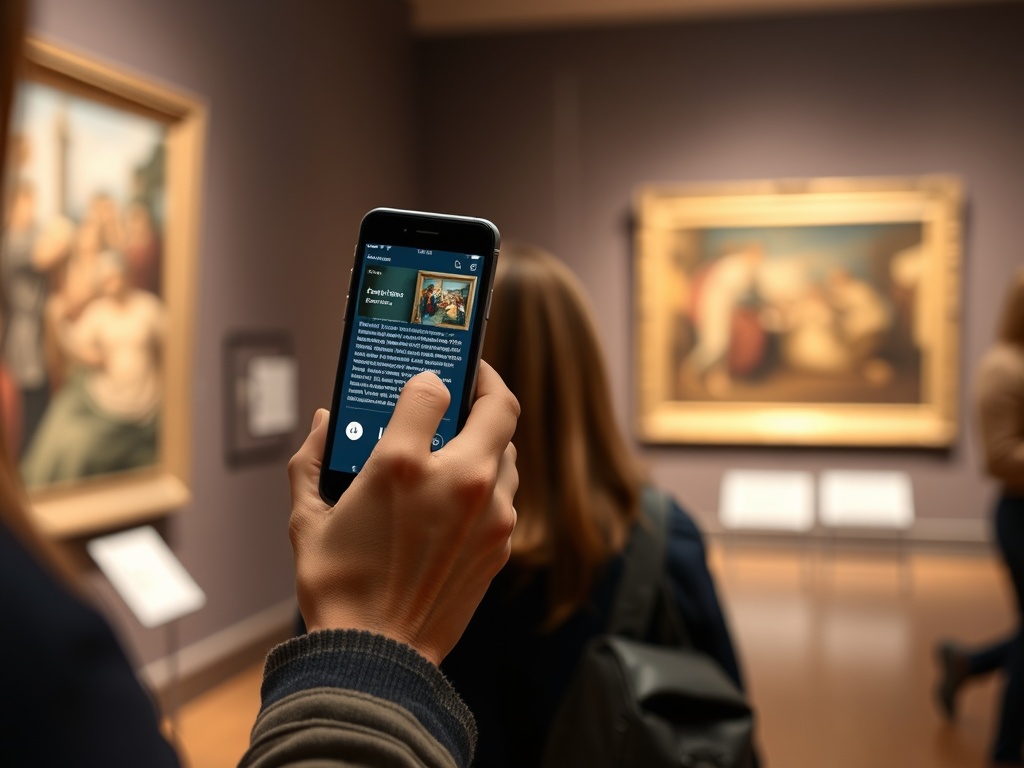
Audio guides work well when you want context but not conversation. They are especially useful for solo travelers, language learners, and visitors who want to pause or replay. Many museums now deliver audio through phones, which reduces hardware needs but raises practical questions: battery, headphones, data connection, and whether the interface is easy to use in a gallery.
If you are comparing event formats across a trip, this decision pairs naturally with travel packages, day passes, and weekend passes. Both choices reward the same habit: check the actual constraints before choosing the option that sounds most convenient.
When independent visits are the better option
Independent visits are best when your goal is personal attention rather than coverage. You might want to sit with three paintings, study display design, take notes for a creative project, or let children set the pace. The weakness is that independent visits can turn into drifting. A simple route helps: choose one must-see gallery, one optional gallery, and one rest point before you enter.
For creators, independent museum visits can also feed research. Someone building a scroll comic may use museum lighting, costume details, or object labels as visual reference, then apply those observations to mobile-first graphic storytelling.
Mistakes that make any format worse
- Booking a tour without checking the language, length, or physical route.
- Assuming an audio guide covers every object in a gallery.
- Trying to see the whole museum in one visit.
- Ignoring fatigue, food, seating, and sensory needs.
- Treating the gift shop or cafe as wasted time when they can be useful recovery breaks.
A simple choice formula for your visit
Use a guided tour when you need orientation or expert framing. Use an audio guide when you want context at your own pace. Visit independently when freedom matters more than coverage. For the strongest experience, combine formats: start with a short tour, use audio for two or three objects, then spend the final stretch without any guide at all. That mix gives you structure, context, and personal discovery in the same visit.
How group dynamics affect the visit
The social setting can matter as much as the content. A guided tour with a thoughtful guide and a small group can feel generous and focused. The same tour with a crowded group can make it hard to hear, move, or ask questions. Audio guides avoid that social pressure, but they can isolate visitors from shared discovery. Independent visits are flexible, yet they can leave first-time visitors unsure where to begin.
For families, mixed-interest groups, or visitors with access needs, the best plan may be hybrid. Let the most structure-hungry person choose one scheduled element, then protect free time for everyone else. A museum visit is not a test of how much information you can absorb. It is a designed encounter with objects, space, and attention.
If the visit includes children or first-time museumgoers, choose fewer stops than you think you need. One memorable room with a clear story is often better than five rushed galleries. A short, positive visit makes people more likely to return, while an overplanned route can make museums feel like endurance tests.
The best plan leaves room for surprise. Some of the strongest museum memories come from an object you did not research, a quiet bench, or a conversation after the visit.