The best vendor negotiation tools do not pressure suppliers into vague discounts. They clarify scope, compare assumptions, document risk, and help event teams choose partners based on total operational fit rather than headline price alone.
Vendor Negotiation Essentials
- Use a scope brief before requesting pricing so vendors quote the same work.
- Compare assumptions, exclusions, change fees, staffing levels, service windows, insurance, cancellation terms, and onsite responsibilities.
- Build a negotiation file that future event teams can reuse, including templates, decision notes, and post-event vendor performance feedback.
Negotiation Starts Before the First Quote
Many event teams begin negotiation too late. They ask vendors for pricing before they have defined quantities, service times, venue rules, access needs, equipment requirements, attendee profile, approval process, or change expectations. The result is a set of quotes that look comparable but are based on different assumptions.
The first tool should be a vendor scope brief. It explains the event purpose, audience size range, venue details, service date, setup and teardown timing, required deliverables, decision criteria, insurance or compliance needs, and known constraints. A clear brief gives vendors enough detail to price honestly and reduces surprise costs later.
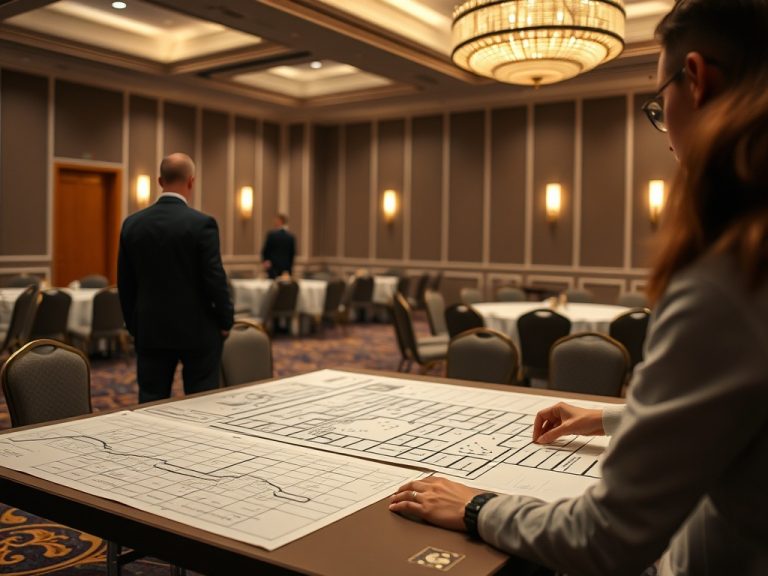
Because vendor assumptions affect layout, teams should review the internal article on room layouts and attendee flow while building the brief. A catering quote, furniture quote, or AV quote can change how the space works.
The Core Template Stack
A strong negotiation system usually includes five templates: a scope brief, a quote comparison sheet, a contract review checklist, a change-order tracker, and a post-event performance scorecard. These tools can be kept in a spreadsheet, project management platform, procurement tool, or shared folder depending on event size.
The quote comparison sheet should go beyond price. Include staffing, equipment, travel, delivery, setup, teardown, overtime, rush fees, substitutions, service guarantees, cancellation terms, payment schedule, insurance documents, and dependencies. A low quote may become expensive if it excludes key labor or charges heavily for changes.
For venues and public gatherings, teams should also consider security, dependency, and continuity needs. CISA's venue guide resources provide planning context that can influence vendor responsibilities.

Tool Categories Worth Considering
| Tool or Template | Best For | What It Should Capture |
|---|---|---|
| Scope brief | Before requesting quotes | Event details, service expectations, constraints, decision criteria |
| Quote comparison sheet | Shortlisting vendors | Inclusions, exclusions, assumptions, fees, service level |
| Contract checklist | Pre-signature review | Responsibilities, changes, cancellation, insurance, data, timing |
| Performance scorecard | Post-event learning | Communication, delivery, issue handling, billing, reuse decision |
Negotiation Questions That Reveal Real Risk
Good negotiation questions are specific. Ask what is included, what is excluded, what changes the price, who supervises onsite work, how issues are escalated, what backup equipment exists, what happens if staff are unavailable, what documentation is required before arrival, and what conditions may delay delivery.
Also ask how the vendor has handled similar event constraints. Do not ask for confidential client details or invented case studies. Ask for process evidence: checklists, staffing models, load-in plans, equipment lists, certificate requirements, and change-order practices.
When vendors support attendee communication, registration, or reminders, align their responsibilities with the onboarding plan. The internal guide on attendee onboarding for registered guests explains why attendance problems often begin before the event day.
How to Evaluate Software Without Buying Too Much
Vendor management software can be useful, but it should solve a real workflow problem. Small events may only need shared templates and a disciplined approval folder. Larger programs may need intake forms, automated reminders, document storage, e-signature, budget tracking, certificate tracking, vendor scorecards, and integration with finance systems.
Evaluate tools by asking: Can the system compare quotes cleanly? Does it preserve contract versions? Can it track insurance documents and expiration dates? Does it show who approved each change? Can it export data for post-event review? Does the team already use a platform that can handle this without adding another subscription?
Avoid treating software as a substitute for clear scope. A messy brief inside a sophisticated platform still creates messy negotiation.
Contract Review Is Not Only a Legal Step
Contracts should be reviewed by appropriate legal or procurement professionals when needed, but event operators also have a role. They understand timing, access, staffing, equipment, guest impact, weather exposure, and service expectations. A contract can be legally reviewed and still fail operationally if the scope is vague.
Operational clauses to check include setup times, teardown windows, venue access, power responsibility, replacement equipment, staffing numbers, meal breaks, overtime, delivery fees, liability insurance, cancellation, postponement, force majeure, confidentiality, data handling, and content usage rights where relevant.
This is general best-practice guidance, not legal advice. Teams should verify contractual language with qualified counsel or authorized procurement leaders before signing.
Build a Negotiation Memory
After the event, update the vendor scorecard while details are fresh. Record punctuality, communication, setup quality, issue resolution, documentation, billing accuracy, attendee impact, and whether the vendor would be invited to bid again. This protects future teams from relying on memory or personality fit alone.
A negotiation memory also helps budgets improve. If one category repeatedly changes after the first quote, the scope template may be missing key details. If one vendor repeatedly performs well under pressure, the team may decide that reliability justifies a higher price.
The strongest event operations teams do not negotiate as a one-time battle. They negotiate as part of a learning system that improves every future event.
Procurement Habits That Improve Every Quote
The most useful negotiation habit is consistency. Send vendors the same facts, the same assumptions, and the same deadline for clarification. If one vendor receives better context than another, the comparison is already distorted.
Keep a question log during the quote period. When one vendor asks a useful clarification, share the answer with every vendor still under consideration when procurement rules allow. This improves fairness and prevents one supplier from pricing a different event than the rest.
After selection, preserve the quote history. The next event team should be able to see not only who won, but why they won, what risks were accepted, and which assumptions affected price. That record becomes a practical training tool for future negotiations.
Negotiation Red Flags to Escalate Early
Escalate a vendor issue when the supplier refuses to clarify exclusions, cannot confirm who will be onsite, avoids documentation, changes assumptions without noting price impact, or treats venue rules as optional. These are not automatic disqualifiers, but they deserve review before the team depends on that vendor.
Also watch for quotes that look clean because important items are missing. Delivery, overtime, equipment substitutions, cleanup, power, travel, permits, and post-event file delivery can all change the real cost. A stronger negotiation process makes those details visible before approval.
Make the Vendor File Reusable
The goal is not to win a small discount while creating confusion. The goal is to buy the right service under clear terms with fewer surprises. This article is educational and informational only and does not provide legal, financial, travel, immigration, safety, or contractual advice. Confirm details with official vendors, venues, organizers, counsel, and procurement teams before making commitments.