How Often Should You Replace Your Toothbrush or Brush Head?
Most people should replace a toothbrush or powered brush head about every three to four months, or sooner if the bristles are splayed, flattened, or no longer cleaning well. The American Dental Association also recommends replacing it sooner after visible wear, because worn bristles remove plaque less effectively.
TL;DR: Swap a brush or brush head when the bristles lose their shape, after illness if the head looks worn or contaminated, and any time brushing starts to feel less effective. A soft-bristled brush is usually the safest default.
Why the timing matters
People often wait until a toothbrush looks very old, but you usually do not need to stretch it that far. Once bristles flare outward, they stop reaching the gumline evenly. That matters because everyday home oral care is what helps control plaque between checkups, not just the few minutes you spend in the dental chair.
A fresh brush head also tends to feel more comfortable. If bristles are bent or rough, they may irritate tender gums, especially if you already have recession, sensitivity, braces, or recent dental work.
What counts as “time to replace”
- The bristles are frayed, flattened, curled, or uneven.
- The brush no longer feels like it is cleaning along the gumline.
- You have been using it for roughly three to four months.
- You were sick and the brush head now looks worn, dirty, or impossible to clean well.
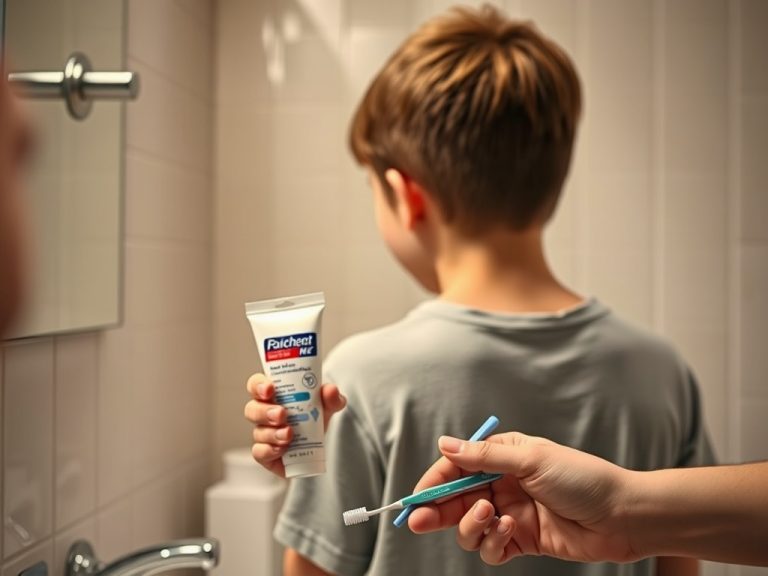
- A child has chewed the bristles or stored the brush in a way that bent the head.
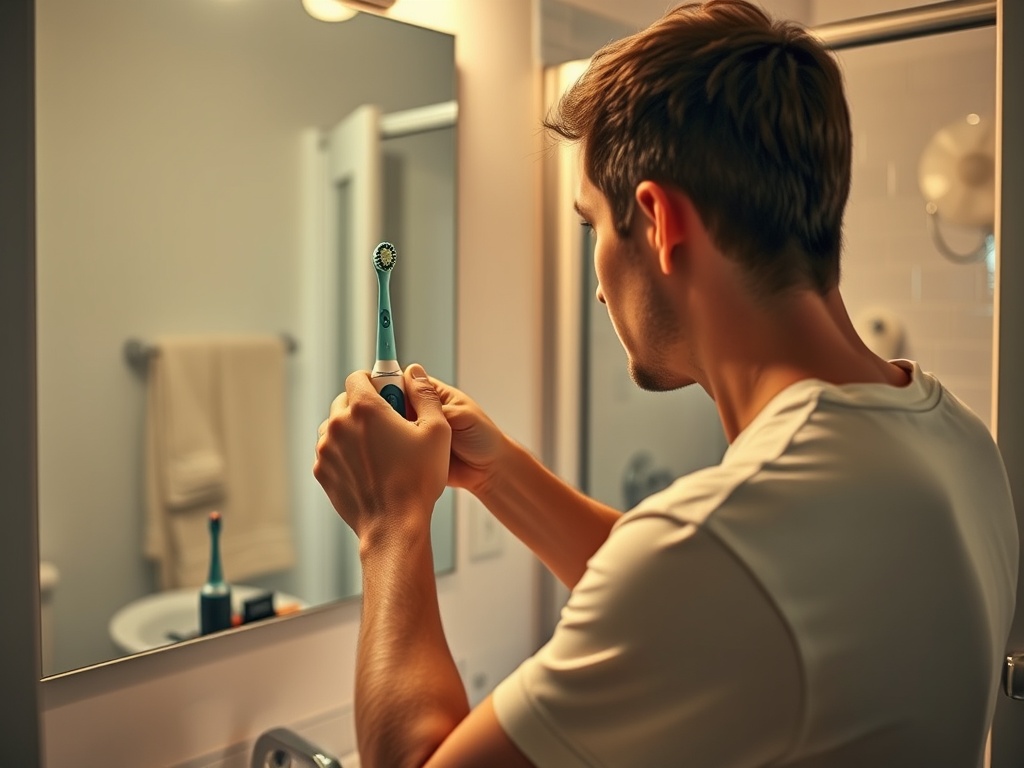
Manual and electric brushes follow the same basic rule: the head should still look intact, soft, and springy. A powered handle may last for years, but the detachable head does not.
How to tell whether you are replacing it too late
A toothbrush does not need to look destroyed to be past its prime. Subtle clues matter:
- Your teeth still feel fuzzy soon after brushing.
- You have to brush harder to get the same “clean” feeling.
- One side of the head is more crushed than the other.
- The color-fade bristle indicator has mostly disappeared on a brush that uses one.
Storage habits that shorten brush life
A good brush can wear out early if it is stored poorly. Let it air-dry upright when possible, and avoid keeping a damp brush sealed in a container for long periods. Shared cups are common, but try to keep heads from touching if space allows.
If you travel, let the brush dry after arrival instead of leaving it trapped in a closed case for days. That will not make a brush last forever, but it can help prevent musty buildup and preserve the bristles.
Timing and Recovery for Often Replace Toothbrush Brush Head
Some people need replacement a little sooner. Children may chew brushes. Orthodontic appliances can wear bristles out faster. If you are sorting through special home-care needs, our guide to safe teen whitening choices and our explainer on when routine dental visits matter fit into the same bigger picture: daily care works best when the tools actually fit your mouth.
A dentist may also suggest a softer brush or a different head shape if you have recession, implants, or sore gums. That is similar to the reasoning in our article on mouth sores and oral lesions, where friction and irritation can make a small problem feel bigger.
Routine visit or urgent dental care?
A worn toothbrush by itself is usually a routine issue. Put it on your shopping list and replace it. Schedule a regular dental appointment if you notice more bleeding, new sensitivity, or plaque buildup that is getting harder to control.
Seek prompt dental care if brushing hurts sharply, your gums swell significantly, or you notice an ulcer, cut, or sore spot that is not improving. A brush is sometimes part of the story, but it may not be the whole cause.
Questions About Often Replace Toothbrush Brush Head
For Often Replace Toothbrush Brush Head, this part of Questions About Often Replace Toothbrush Brush Head focuses on the symptom history, previous treatment, current medicines, and the result the patient values most while cost and timing are compared, with the same details verified before treatment is scheduled. The clinician should also explain which examination finding supports each recommendation and what information could change it for Often Replace Toothbrush Brush Head while comfort and function are assessed, using the examination and health history rather than a general assumption.
Clinical Checks for Often Replace Toothbrush Brush Head
For Often Replace Toothbrush Brush Head, this part of Clinical Checks for Often Replace Toothbrush Brush Head focuses on confirmed findings, measurements, imaging, and health-history factors after the examination is explained, with the same details verified before treatment is scheduled. The clinician should also explain what remains uncertain and whether another test or specialist opinion would alter the plan for Often Replace Toothbrush Brush Head while risks and alternatives are compared, using the examination and health history rather than a general assumption.
Comparing Options for Often Replace Toothbrush Brush Head
For Often Replace Toothbrush Brush Head, this part of Comparing Options for Often Replace Toothbrush Brush Head focuses on benefit, limitations, durability, maintenance, timing, and total cost when a second opinion is considered, with the same details verified before treatment is scheduled. The clinician should also explain how each choice preserves tooth structure or tissue and what backup treatment may be needed for Often Replace Toothbrush Brush Head when the follow-up plan is written, using the examination and health history rather than a general assumption.
Timing and Recovery for Often Replace Toothbrush Brush Head During Planning
For Often Replace Toothbrush Brush Head, this part of Timing and Recovery for Often Replace Toothbrush Brush Head During focuses on the order of diagnosis, preparation, treatment, healing, adjustment, and review before temporary care is replaced, with the same details verified before treatment is scheduled. The clinician should also explain how work, travel, eating, driving, exercise, or caregiving may be affected for Often Replace Toothbrush Brush Head as the treatment sequence is documented, using the examination and health history rather than a general assumption.
A practical replacement routine
Many people find it easiest to change brush heads at the start of a season, or whenever they open a new tube of toothpaste after a few months. The exact reminder matters less than being consistent.
A sensible next step is to look at your current brush tonight. If the bristles are already bending outward, replace it now instead of waiting for the calendar to catch up.
Reliable Guidance for Often Replace Toothbrush Brush Head
For Often Replace Toothbrush Brush Head, this part of Reliable Guidance for Often Replace Toothbrush Brush Head focuses on current guidance that explains benefits, limits, alternatives, and warning signs while recovery expectations are clarified, with the same details verified before treatment is scheduled. The clinician should also explain how general information differs from advice based on the actual examination for Often Replace Toothbrush Brush Head after the examination is explained, using the examination and health history rather than a general assumption. Recording that explanation gives the patient a clearer next step for Often Replace Toothbrush Brush Head while recovery expectations are clarified, especially when follow-up duties are reviewed before treatment is scheduled.