Teen Teeth Whitening: What’s Safe and What to Avoid
Teens can sometimes whiten their teeth safely, but not every product or social-media hack is a good idea. The safest starting point is a dental exam first, because discoloration may come from braces, fluorosis, trauma, or decay rather than a simple surface stain.
TL;DR: For teens, whitening should be cautious, age-aware, and dentist-guided when possible. Skip improvised DIY methods, use only products as directed, and stop if teeth or gums become sensitive.
Why teens are a special case
Whitening sounds simple, but younger patients are not just small adults. Teeth may still be more reactive, and some stains do not respond well to over-the-counter products. The ADA’s public education site MouthHealthy notes that overuse of whiteners can irritate gums and enamel, which is one reason a quick exam can save frustration.
For many families, the bigger question is not “Can a teen whiten?” but “Is whitening the right fix for this type of color change?” Brown, gray, or one-tooth darkening may need evaluation before anyone buys strips or gels.
Usually safer starting points
- A cleaning first, if staining is mostly from plaque or tartar.
- A conversation about the cause of the discoloration.
- A dentist-approved product with clear instructions.
- A shorter, slower plan if sensitivity is already an issue.
Whitening may be reasonable when the teen has healthy teeth, no untreated cavities, no gum irritation, and realistic expectations. It may be a poor fit when braces are still on the teeth, because whitening around brackets can leave uneven color.
What to avoid
The most common mistakes are not dramatic. They are repetitive: wearing strips too long, using them too often, layering multiple products, or trying acidic DIY tricks from short-form videos. The ADA also points readers toward healthier stain control habits in its piece on natural ways to keep teeth white, which is a better long-term strategy than chasing fast results.
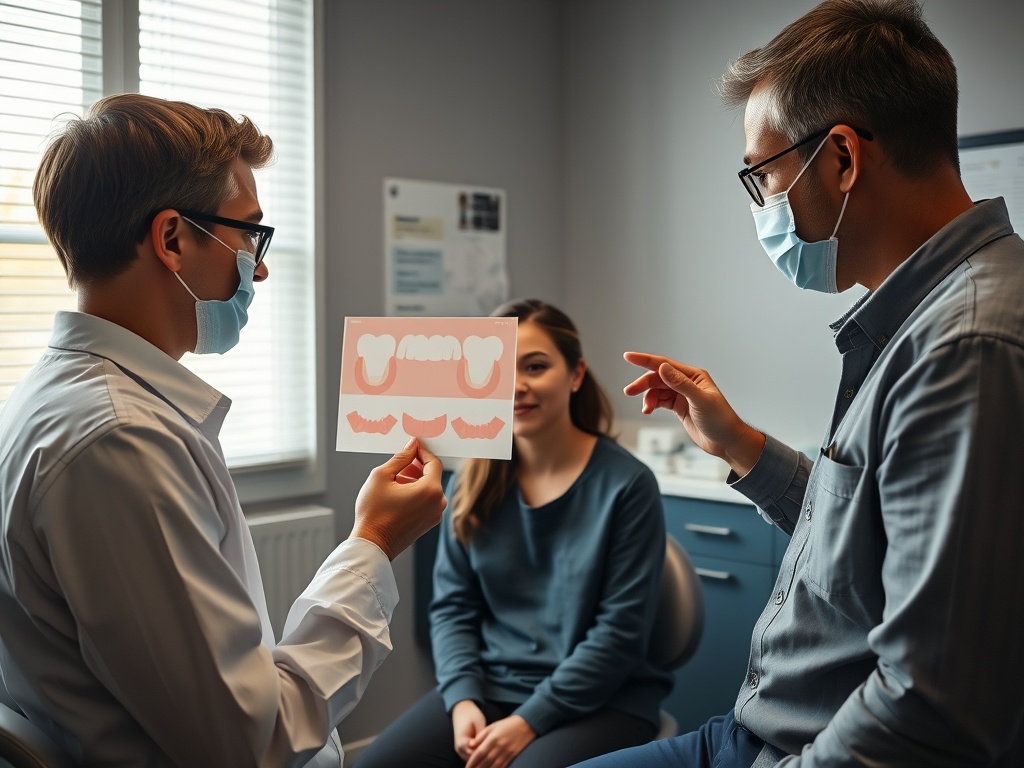
Questions worth asking before whitening
- Is this stain on the surface, or inside the tooth?
- Will current braces, attachments, or retainers affect the result?
- Has the teen had trauma to the tooth that changed its color?
- Is there already sensitivity to cold, sweets, or brushing?
Those questions matter because a single dark tooth, pain, or a history of injury can point away from cosmetic whitening and toward diagnosis first.
Planning Notes for Teen Teeth Whitening
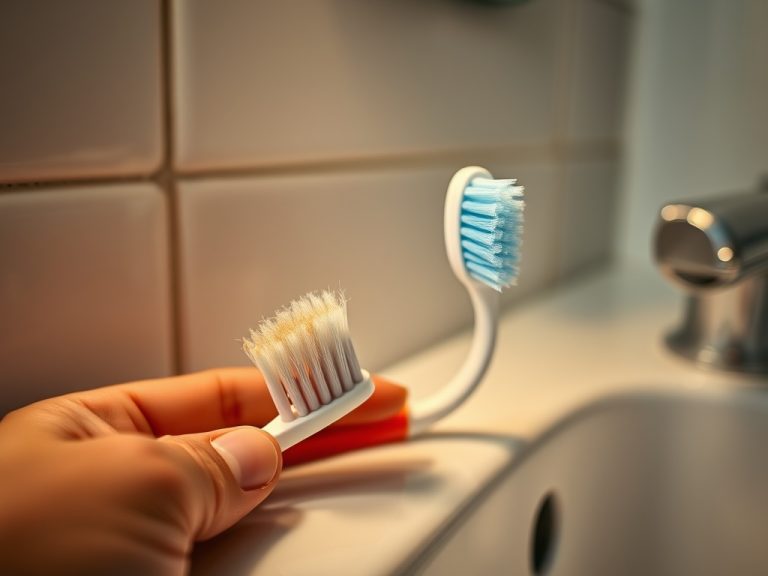
It is usually reasonable to wait and focus on regular brushing, flossing, and a checkup if the concern is mild yellowing and there is no pain. Our article on replacing toothbrushes on time can help if the issue is more about daily staining and plaque control.
Book a routine dental visit if color changes appeared after braces, if a teen wants whitening before photos or events, or if the family is unsure which product category is appropriate. If there is mouth irritation or sores, see the guidance in mouth ulcers and oral lesions instead of whitening through the discomfort.
Seek quicker care if a tooth suddenly turns gray, brown, or pink after an injury, or if whitening attempts cause strong lingering pain.
Questions About Teen Teeth Whitening
For Teen Teeth Whitening, this part of Questions About Teen Teeth Whitening focuses on the symptom history, previous treatment, current medicines, and the result the patient values most when the diagnosis is confirmed, with the same details verified before treatment is scheduled. The clinician should also explain which examination finding supports each recommendation and what information could change it for Teen Teeth Whitening before the final recommendation is accepted, using the examination and health history rather than a general assumption.
Clinical Checks for Teen Teeth Whitening
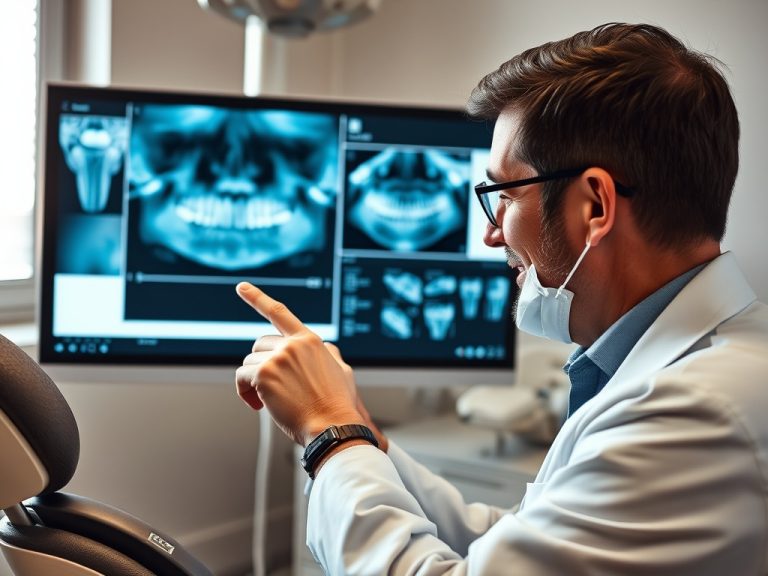
When evaluating Teen Teeth Whitening: What’s Safe and What to Avoid, the dentist should explain how medical history, previous treatment, bite forces, and tissue health affect the recommendation. Before accepting a plan for Teen Teeth Whitening: What’s Safe and What to Avoid, request a plain-language explanation of what would make the diagnosis or treatment sequence change when a second opinion is considered. A sound decision about Teen Teeth Whitening: What’s Safe and What to Avoid begins with the findings that can be seen, measured, photographed, or confirmed on dental imaging.
Timing and Recovery for Teen Teeth Whitening
Before scheduling Teen Teeth Whitening: What’s Safe and What to Avoid, ask how delays, missed visits, or slower healing could change comfort, cost, and the final result when home-care instructions are prepared. The timeline for Teen Teeth Whitening: What’s Safe and What to Avoid should include diagnosis, preparation, treatment, healing, adjustment, and maintenance rather than only the main appointment. For Teen Teeth Whitening: What’s Safe and What to Avoid, clarify which steps can be combined, which require biological healing, and when temporary protection may be needed before the final recommendation is accepted.
Home Care for Teen Teeth Whitening
For Teen Teeth Whitening, this part of Home Care for Teen Teeth Whitening focuses on safe cleaning tools, foods, products, and daily techniques as the long-term result is reviewed, with the same details verified before treatment is scheduled. The clinician should also explain which changes are expected and which should prompt an earlier call for Teen Teeth Whitening before temporary care is replaced, using the examination and health history rather than a general assumption. Recording that explanation gives the patient a clearer next step for Teen Teeth Whitening as the long-term result is reviewed, especially when follow-up duties are reviewed before treatment is scheduled.
Mistakes to Avoid With Teen Teeth Whitening
For Teen Teeth Whitening, this part of Mistakes to Avoid With Teen Teeth Whitening focuses on harsh home remedies, repeated temporary fixes, and delays that hide progression before the next appointment is booked, with the same details verified before treatment is scheduled. The clinician should also explain which action could worsen pain, swelling, bleeding, fit, or tissue damage for Teen Teeth Whitening while the options are being narrowed, using the examination and health history rather than a general assumption. Recording that explanation gives the patient a clearer next step for Teen Teeth Whitening before the next appointment is booked, especially when follow-up duties are reviewed before treatment is scheduled.
Setting realistic expectations
A brighter shade may be possible, but whitening does not change fillings, bonding, or crowns. Families also need to remember that teen smiles are still changing. The ADA’s teen oral health resources are a useful reminder that sports, orthodontics, diet, and routine care all affect appearance.
A sensible next step is to get the teeth examined before starting any whitening plan. That keeps the goal simple: choose the safest option for the actual cause of the color change, not just the quickest-looking product.
Cost Planning for Teen Teeth Whitening
If Teen Teeth Whitening: What’s Safe and What to Avoid involves insurance or financing, review authorization rules, total repayment, cancellation terms, and the effect of a changed plan. Budgeting for Teen Teeth Whitening: What’s Safe and What to Avoid should also account for maintenance, future repairs, and appointments that may not be included in the initial fee as the treatment sequence is documented.