Non-Medication Tools That Can Make Dental Visits Easier
Not every easier dental visit depends on medication. For many patients, the biggest difference comes from communication, pacing, sensory control, and predictable routines that lower uncertainty before anyone reclines the chair.
TL;DR: Simple tools such as a stop signal, headphones, short appointments, explanation-before-action, and comfort positioning can make care feel more manageable. These are especially helpful for anxious patients, sensory-sensitive patients, and people returning after a long gap in care.
Why non-medication support works
Fear often spikes when a patient does not know what comes next. The ADA’s material on mindfulness and stress reduction is not a dental instruction sheet, but it supports a useful principle: predictable breathing and attention strategies can reduce stress responses before and during appointments.
Practical tools worth asking for
- A hand signal that tells the dentist you need a pause.
- Step-by-step explanation before each part starts.
- Headphones, music, or another sensory distraction.
- A shorter first visit focused on exam and planning.
- Positioning aids such as a neck pillow or time to swallow and reset.
- Morning scheduling if later appointments increase anticipatory stress.
These are small changes, but together they shift the visit from something happening to you into something happening with you.
Questions About Non-Medication Tools That Make Dental Visits Easier
Before proceeding with Non-Medication Tools That Can Make Dental Visits Easier, identify the factor that would make the dentist postpone care or recommend another approach after the examination is explained. Suitability for Non-Medication Tools That Can Make Dental Visits Easier depends on the diagnosis, tissue health, medical history, goals, and ability to maintain the result.
The NIH’s NIDCR health information hub is a helpful place to start if your dental concerns overlap with broader oral-health conditions that may affect comfort during care.
Questions About Non-Medication Tools That Make Dental Visits Easier During Planning
For many routine cleanings, exams, fillings, and follow-ups, these tools may be enough. If panic remains intense, treatment needs are complex, or previous attempts have repeatedly failed, a dentist may recommend additional behavioral supports or discuss sedation separately.
If fear has kept you from getting something checked, do not let discomfort with appointments delay important evaluation. That is especially true for persistent sores, which we cover in mouth ulcers and oral lesions.
It also matters after surgery. Patients preparing for extraction recovery may want to pair this article with dry socket prevention. Families thinking about cosmetic timing for teens can also see teen whitening guidance.
Questions About Non-Medication Tools That Make Dental Visits Easier Before Treatment
For Non-Medication Tools That Make Dental Visits Easier, this part of Questions About Non-Medication Tools That Make Dental Visits Easier Before focuses on the symptom history, previous treatment, current medicines, and the result the patient values most before treatment is scheduled, with the same details verified while comfort and function are assessed. The clinician should also explain which examination finding supports each recommendation and what information could change it for Non-Medication Tools That Make Dental Visits Easier when a second opinion is considered, using the examination and health history rather than a general assumption.
Questions About Non-Medication Tools That Make Dental Visits Easier At Follow-Up
For Non-Medication Tools That Make Dental Visits Easier, this part of Questions About Non-Medication Tools That Make Dental Visits Easier At focuses on the symptom history, previous treatment, current medicines, and the result the patient values most when maintenance is discussed, with the same details verified while comfort and function are assessed. The clinician should also explain which examination finding supports each recommendation and what information could change it for Non-Medication Tools That Make Dental Visits Easier during the initial review, using the examination and health history rather than a general assumption.
Questions About Non-Medication Tools That Make Dental Visits Easier For Long-Term Care
A useful comparison of Non-Medication Tools That Can Make Dental Visits Easier should also explain what happens if the first choice does not heal, fit, or function as expected. Before choosing a path for Non-Medication Tools That Can Make Dental Visits Easier, identify which trade-off matters least and which clinical risk matters most when a second opinion is considered. When comparing approaches to Non-Medication Tools That Can Make Dental Visits Easier, use the same criteria for every option: expected benefit, limitations, durability, maintenance, timing, and total cost.
Questions About Non-Medication Tools That Make Dental Visits Easier During Recovery
Before scheduling Non-Medication Tools That Can Make Dental Visits Easier, ask how delays, missed visits, or slower healing could change comfort, cost, and the final result when home-care instructions are prepared. The timeline for Non-Medication Tools That Can Make Dental Visits Easier should include diagnosis, preparation, treatment, healing, adjustment, and maintenance rather than only the main appointment. For Non-Medication Tools That Can Make Dental Visits Easier, clarify which steps can be combined, which require biological healing, and when temporary protection may be needed before the final recommendation is accepted.
Questions About Non-Medication Tools That Make Dental Visits Easier At the Decision Visit
For Non-Medication Tools That Make Dental Visits Easier, this part of Questions About Non-Medication Tools That Make Dental Visits Easier At focuses on the symptom history, previous treatment, current medicines, and the result the patient values most while comfort and function are assessed, with the same details verified while comfort and function are assessed. The clinician should also explain which examination finding supports each recommendation and what information could change it for Non-Medication Tools That Make Dental Visits Easier while recovery expectations are clarified, using the examination and health history rather than a general assumption.
Questions About Non-Medication Tools That Make Dental Visits Easier Before Scheduling
For Non-Medication Tools That Make Dental Visits Easier, this part of Questions About Non-Medication Tools That Make Dental Visits Easier Before focuses on the symptom history, previous treatment, current medicines, and the result the patient values most before consent is finalized, with the same details verified while comfort and function are assessed. The clinician should also explain which examination finding supports each recommendation and what information could change it for Non-Medication Tools That Make Dental Visits Easier before treatment is scheduled, using the examination and health history rather than a general assumption.
A script you can use when booking
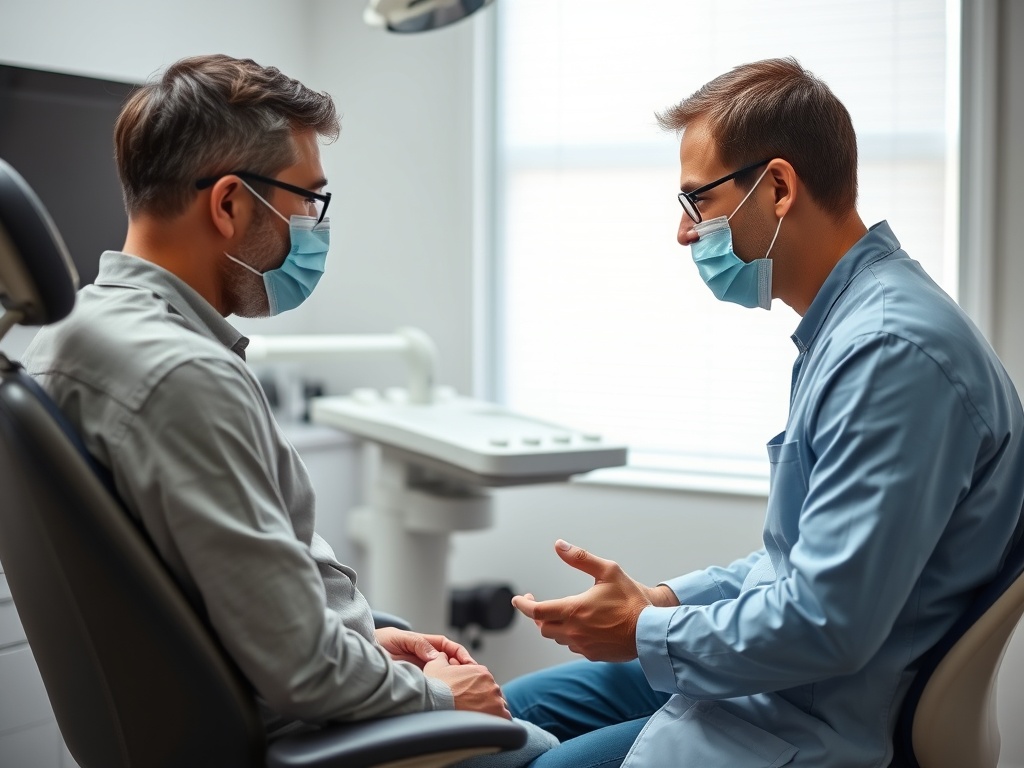
Try saying: “I get anxious in dental settings. Can we plan a slower appointment, use a stop signal, and have everything explained before you begin?” Clear requests help the team adapt the visit before stress peaks.
A practical next step is to choose one or two specific supports and mention them when you schedule. You do not need a perfect plan to make the next visit more manageable.
Questions About Non-Medication Tools That Make Dental Visits Easier For Daily Care
For Non-Medication Tools That Make Dental Visits Easier, this part of Questions About Non-Medication Tools That Make Dental Visits Easier For focuses on the symptom history, previous treatment, current medicines, and the result the patient values most when the follow-up plan is written, with the same details verified while comfort and function are assessed. The clinician should also explain which examination finding supports each recommendation and what information could change it for Non-Medication Tools That Make Dental Visits Easier as the long-term result is reviewed, using the examination and health history rather than a general assumption.