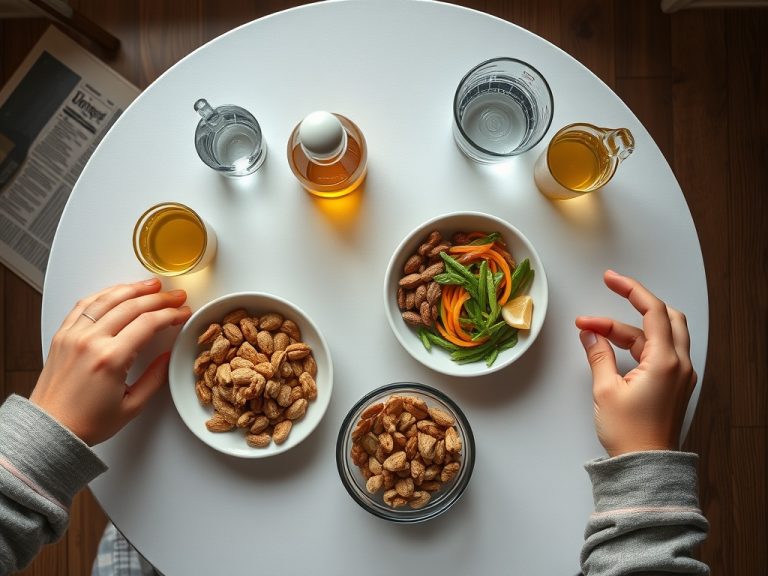
The best recovery nutrition habits are regular meals, enough total energy, protein distributed across the day, carbohydrate matched to training demand, sensible hydration, and a plan for meals after late or demanding sessions. Supplements cannot compensate for chronic under-fueling, poor sleep, or training loads that exceed recovery.
TL;DR: Hard weeks need a reliable food system, not a perfect “anabolic window.” Eat enough across the day, include protein and carbohydrate in meals around training, replace fluids according to conditions, and use simple prepared options when fatigue makes cooking difficult.
Recovery Starts Before the Workout Ends
Recovery nutrition is often reduced to one shake consumed immediately after training. The body responds to the full day and week of intake. A post-workout meal can be useful, especially when another session is close, but it cannot fully repair an energy deficit created by skipped meals and repeated hard sessions.
Start with training demand. A long endurance session, high-volume lifting day, tournament, and easy technique workout do not create identical needs. Duration, intensity, environment, sweat rate, body size, food preferences, and time until the next session all affect the plan.
The joint nutrition guidance summarized by the American College of Sports Medicine emphasizes adequate energy, carbohydrate, protein, fluids, and individualized timing for performance and recovery. Use those principles as a framework rather than copying an athlete's exact menu.
Habit 1: Protect Total Energy Intake
Persistent under-fueling can show up as unusual fatigue, falling performance, poor concentration, irritability, disrupted sleep, frequent illness, persistent soreness, or menstrual changes. These signs can have several causes, so they are not a self-diagnosis. They are reasons to review training and nutrition and, when persistent, seek professional care.
Hard weeks often create a paradox: energy needs rise while appetite, time, and willingness to cook fall. Use easier foods strategically. Yogurt with fruit and cereal, eggs and toast, rice with beans and vegetables, a sandwich with fruit, or a smoothie paired with a solid snack can reduce the gap.
If you are intentionally gaining muscle, recovery intake should align with the chosen phase. The trade-offs between bulking and body recomposition affect total energy targets, but both strategies fail when training and food are too inconsistent to evaluate.
Habit 2: Include Protein Across the Day
Protein supplies amino acids used in tissue repair and adaptation. Instead of saving most protein for dinner, include a meaningful source at several meals and snacks. Options include dairy, eggs, fish, poultry, lean meat, tofu, tempeh, beans, lentils, and combinations that fit a plant-based pattern.
Needs vary, and higher intake is not automatically safer or better. People with kidney disease, pregnancy, food allergies, digestive conditions, or other medical concerns need individualized guidance. A sports dietitian can translate training demand into a practical target without turning every meal into a calculation.
Protein timing matters less than getting enough consistently, but a meal containing protein after training is a convenient recovery anchor. It also helps prevent the common pattern of finishing a late workout, skipping dinner, and waking under-fueled for the next day.
Habit 3: Match Carbohydrate to the Work
Carbohydrate is a major fuel for moderate- and high-intensity exercise. During hard training weeks, removing most carbohydrate can make demanding sessions feel harder and reduce the ability to maintain quality. Useful sources include grains, potatoes, fruit, beans, milk or yogurt, and other foods that suit your culture and digestion.
Match amount and timing to the session. A large meal immediately before intense training may feel uncomfortable, while training after many hours without food may reduce energy for some people. Test smaller, familiar pre-training meals or snacks and note how you feel.
The Dietary Guidelines for Americans, 2025-2030 support a broader pattern of nutrient-dense foods, fruits, vegetables, whole grains, and varied protein sources. Sports nutrition can adjust amounts and timing without abandoning those foundations.
Match the Meal to the Training Problem
| Training Situation | Main Nutrition Priority | Practical Option |
|---|---|---|
| Early session with low appetite | Easy carbohydrate and fluid | Banana, toast, or yogurt before; full breakfast after |
| Long or high-volume session | Energy and carbohydrate availability | Planned meal beforehand plus portable fuel if needed |
| Late strength session | Avoid skipping the recovery meal | Prepared rice bowl, sandwich and fruit, or yogurt-cereal meal |
| Hot, sweaty conditions | Fluids and appropriate electrolytes | Water for routine needs; individualized electrolyte plan for heavy losses |
| Two sessions close together | Faster refueling and repeat hydration | Carbohydrate-plus-protein meal soon after the first session |
These examples are general. Gastrointestinal tolerance, health conditions, training intensity, and climate change the details.

Habit 4: Hydrate With Context
Hydration needs change with heat, humidity, clothing, altitude, session length, intensity, and personal sweat rate. Water is an effective default for many ordinary sessions. Longer, hotter, or repeated sessions may call for sodium and carbohydrate, but a brightly colored sports drink is not automatically necessary.
Use simple signals: arrive normally hydrated, drink according to a plan that prevents obvious thirst and performance decline, and check how you feel afterward. Very dark urine can suggest dehydration, while perfectly clear urine all day may reflect unnecessary overdrinking. Urine color is only a rough clue and can be altered by foods, supplements, and medications.
More fluid is not always safer. Excessive intake can be dangerous, particularly during long events. Endurance athletes and people with medical conditions should use individualized guidance rather than following a universal volume.
Habit 5: Prepare for the Tired Version of You
Recovery meals fail most often because the plan assumes unlimited time and energy. Prepare components rather than elaborate recipes: cooked grains, washed produce, a protein option, frozen vegetables, and one sauce. Keep shelf-stable backups for travel or late work.
Use a two-level plan. Level one is the preferred meal. Level two is the emergency meal that still provides useful energy, protein, and carbohydrate. A frozen meal plus fruit, a bean-and-cheese tortilla, cereal with milk and nuts, or a tuna sandwich may be more valuable than waiting for an ideal dinner and eating nothing.
During cardio-heavy weeks, varying the mode can reduce local overuse and mental fatigue. A cardio plan designed for boredom-prone exercisers can organize easy and hard sessions so nutrition is matched to a real schedule rather than a random series of efforts.
Mistakes That Make Hard Weeks Harder
Do not “earn” food with exercise. This can encourage cycles of restriction and compensation, and it disconnects fueling from the body's needs. Do not introduce unfamiliar supplements or foods on a competition day. Do not use soreness as the main signal to add protein; soreness is influenced by training novelty, load, sleep, and many other factors.
Avoid assuming fatigue is always nutritional. A poorly designed program, infection, iron deficiency, sleep disorder, medication effect, mental-health concern, or other condition may be involved. Persistent or severe fatigue deserves evaluation.
Also avoid letting the pursuit of recovery erase general health. The distinctions among activity, fitness, and health are useful during hard blocks: improved performance does not excuse worsening well-being.
Make Recovery Fuel Part of Training
Before the next demanding week, schedule meals the way you schedule sessions. Choose two portable snacks, prepare one post-workout meal in advance, and identify the session most likely to require extra carbohydrate or fluid planning.
Review energy, hunger, digestion, performance, sleep, and recovery after the week. Adjust portions and timing in small steps. If symptoms persist, training volume is extreme, or food rules are becoming distressing, consult a sports dietitian or clinician rather than trying to solve the problem with another supplement.