The best cardio plan for boredom-prone exercisers is a structured rotation, not a single favorite machine. Keep a stable weekly dose while changing the mode, route, interval pattern, music, social setting, or skill challenge so novelty supports consistency without turning every session into an exhausting test.
TL;DR: Build cardio around three session roles: an easy base session, a variable or skill-based session, and a shorter challenging session when appropriate. Rotate activities within those roles, track minutes and effort rather than comparing unlike machines, and keep at least one low-friction backup option for busy days.
Boredom Is a Programming Constraint
Boredom is not proof that you lack discipline. It can signal that a plan offers too little variety, too little meaning, or too much repetition without visible progress. Some people enjoy repeating the same route because predictability is calming. Others need changing scenery, music, competition, learning, or social contact to stay engaged.
Treat that preference like any other design constraint. A plan that is theoretically ideal but rarely completed is less useful than a slightly less optimized plan that fits your attention and schedule. The goal is not constant entertainment. It is enough variation to keep returning while the training stimulus remains understandable.
Public-health guidance gives you the stable frame. The current U.S. physical activity guidelines recommend aerobic activity along with muscle strengthening, but weekly aerobic minutes can come from many modes. That flexibility is valuable if treadmills, stationary bikes, or repeated outdoor loops quickly lose their appeal.
Give Every Session a Role
An easy base session builds time at a sustainable effort. You should be able to speak in sentences and finish feeling that you could have continued. Walking, cycling, swimming, low-impact dance, hiking, easy rowing, or an elliptical can all fill this role.
A variable session changes pace, terrain, direction, or skill. Examples include a dance class, recreational sport, incline walk, mixed-machine circuit, trail route, or a “landmark” session where you increase effort briefly between visible points. The purpose is engagement and adaptability, not maximal intensity.
A challenging session uses controlled intervals or a sustained moderate-to-hard effort. It should be placed according to your current fitness, health, training load, and recovery. Beginners may not need a separate hard session at first. People with medical conditions or symptoms should ask a clinician about suitable intensity.
Use a Menu Instead of a Monologue
| Session Role | Indoor Choices | Outdoor Choices | Simple Progression |
|---|---|---|---|
| Easy base | Bike, treadmill walk, elliptical | Walk, easy ride, gentle hike | Add a few comfortable minutes |
| Variable skill | Dance, rowing drill, mixed circuit | Court game, hills, varied route | Improve control or reduce pauses |
| Controlled challenge | Timed intervals, incline blocks | Short hill repeats, pace changes | Add one interval before adding speed |
| Low-friction backup | Marching, step-ups, rope-free skipping | Short neighborhood loop | Start immediately and stop at the planned minimum |
Keep the weekly roles consistent for four to six weeks, but choose from the menu. This creates variety without erasing the pattern. If you use several machines, compare session duration, perceived effort, and recovery rather than trusting calorie displays, which can use different assumptions.
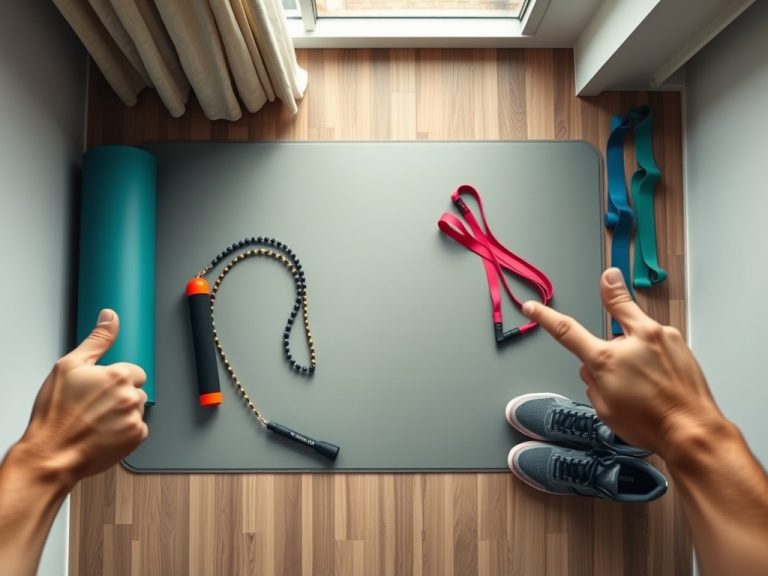
For readers who enjoy home options, jump ropes, mats, and simple cardio tools can add choices without requiring a large machine. Equipment is optional; walking, stairs, dance, and bodyweight movement can work too.

A Four-Week Rotation That Preserves Choice
Week one establishes the floor: two easy sessions and one optional variable session. Keep each short enough that finishing is likely. Notice which environments reduce friction. A twenty-minute walk you begin is more useful than a forty-five-minute plan you negotiate with yourself all evening.
Week two adds a choice point. Before the session, select one of two modes that serve the same role. For example, choose a brisk outdoor walk or an indoor cycling session. Limiting the menu prevents decision fatigue while still providing autonomy.
Week three adds a controlled challenge if your base is comfortable. One simple pattern is to alternate brief purposeful efforts with longer easy recovery periods. The work bouts should look similar from first to last. If technique deteriorates or you cannot recover, reduce the pace, shorten the effort, or end the interval portion.
Week four is a review week, not a test. Repeat the session you enjoyed most, shorten one session if fatigue is accumulating, and note what you want to retain. Variety works best when it is planned, not when every workout is an impulsive attempt to beat boredom.
Make Progress Visible Across Different Modes
Tracking can keep novelty from feeling random. Record three items: time, effort, and one mode-specific note. On a bike, note resistance and cadence if available. On a walk, note route or hills. In dance, note how often you paused. In swimming, note comfortable lengths rather than racing every lap.
Use a simple one-to-ten effort scale consistently. An easy session might feel conversational; a hard interval should still remain controlled. Exact numbers are subjective, so the value lies in your pattern. If the same session feels easier over time or you recover more quickly, that can indicate adaptation.
Do not treat sweat, soreness, or a high device calorie estimate as required evidence. Heat, humidity, clothing, genetics, and device formulas affect those signals. Completion, repeatability, and functional progress are usually more useful.
Prevent Novelty From Becoming Overload
The first mistake is stacking every appealing class, challenge, and interval session into one week. Novelty can disguise fatigue because the activity feels exciting. Keep truly hard sessions limited and separate them with easier work.
The second is changing footwear, surface, duration, and intensity simultaneously. A new activity loads tissues differently even when your heart and lungs feel capable. Introduce unfamiliar impact gradually. The CDC's guidance on overcoming activity barriers recommends starting slowly, choosing activities you can do safely, and increasing the amount as confidence and ability grow.
The third is using cardio to chase fat loss from one body area. Exercise can strengthen muscles and support overall energy expenditure, but it does not let you choose where fat is lost. Review the evidence and limits of spot reduction before adding endless abdominal circuits to a cardio plan.
The fourth is ignoring strength training and recovery. Cardio fitness is only one capacity, and repetitive endurance work can feel worse when sleep, fueling, or muscle capacity is poor. During demanding weeks, recovery nutrition habits may matter more than another intense session.
Reduce Friction Before You Need Motivation
Create a default setup. Keep shoes visible, save two playlists, identify a safe short route, and bookmark one indoor session that requires no complex equipment. Decide in advance what counts as the minimum version, such as ten minutes of easy movement.
Use temptation pairing carefully: reserve a podcast or series for easy cardio, not for intervals that require attention to traffic, technique, or intensity. Social options can help too. A scheduled walk, recreational league, or class adds structure, but it should not punish you for missing a session.
If boredom persists across every activity, ask whether the real barrier is fatigue, pain, low mood, an unrealistic schedule, or a goal you do not value. The solution may be rest, medical guidance, or a different goal rather than more novelty.
Build a Cardio Menu You Will Revisit
Choose three modes today: one easy, one variable, and one backup. Place two or three sessions on next week's calendar, give each a role, and set a duration you are confident you can complete. Review enjoyment, effort, and recovery after four weeks.
Keep the activities that earned repeat use. Replace only what created avoidable friction. A sustainable cardio plan is not the most exciting session you can imagine; it is a flexible system that continues working after the first burst of novelty fades.