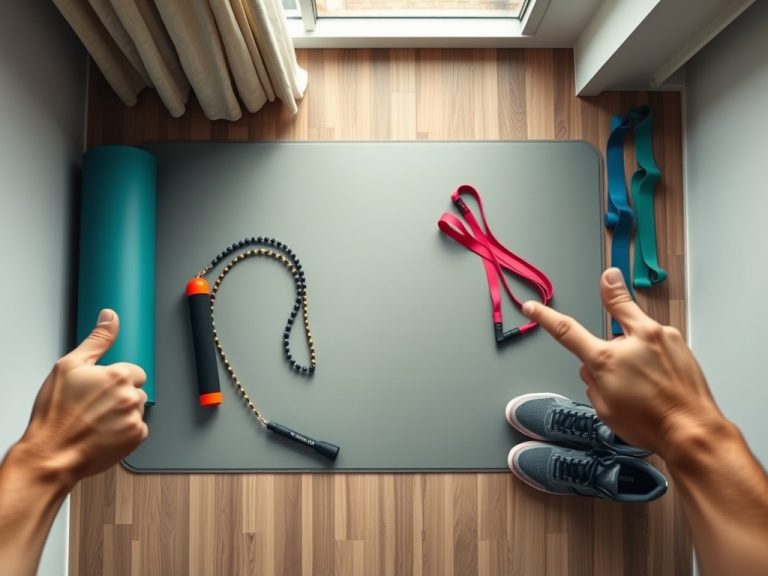
Motivation usually returns after safe action begins, not before. Rebuild it by clarifying medical limits, choosing a very small repeatable activity, measuring what you can control, and separating your current phase from the performance level you had before the setback.
TL;DR: Get appropriate clearance, reduce the first goal until it feels almost too easy, and follow a staged return based on symptoms and function. Track attendance and confidence before chasing old numbers. A setback changes the route; it does not require an all-or-nothing identity change.
First Decide What Kind of Setback This Is
An injury, illness, surgery, flare-up, stressful life event, and long training break can all reduce motivation, but they require different responses. Before planning a comeback, identify whether the main barrier is medical, physical, practical, emotional, or a combination.
If pain, swelling, weakness, altered sensation, dizziness, chest symptoms, or other concerning signs are present, do not use motivation techniques to override them. Ask an appropriate clinician or physical therapist what activities are allowed, what symptoms require stopping, and what progression criteria matter.
General return-to-sport guidance from MedlinePlus highlights pain, range of motion, strength, endurance, and the demands of the activity as factors in deciding when to return. Although the page focuses on back injury, the broader lesson is useful: readiness depends on function and the specific task, not simply the number of days since the injury.
Grieve the Old Routine Without Making It the Test
A setback can remove more than exercise. It may disrupt stress relief, social contact, identity, competence, and a familiar schedule. Frustration is a reasonable response. It becomes less useful when every new session is judged against your best pre-injury performance.
Write two lists. The first contains what is temporarily unavailable. The second contains what remains possible or can be adapted. This does not force optimism. It directs attention toward choices you can act on now.
The distinction among being active, fit, and healthy can reduce identity pressure. You may have lost sport-specific fitness while still supporting health through rehabilitation, sleep, nutrition, and safe daily movement.
Build a Minimum That Protects Trust
Your first commitment should be small enough to complete on a difficult day. Examples include performing the prescribed rehabilitation routine, walking for the cleared duration, attending the gym only to complete a warm-up and two exercises, or preparing clothing for the next session.
The minimum is not the permanent program. It is a way to rebuild trust between intention and action. When you repeatedly do what you planned, confidence becomes evidence-based.
Use a ceiling as well as a floor. The floor is the minimum session; the ceiling is the maximum amount you will do even if you feel excited. A ceiling prevents one enthusiastic day from creating a symptom flare or fatigue that interrupts the next week.

Progress Through Stages, Not Emotion
Stage one is contact. Re-enter the environment, schedule, or movement pattern at a low dose. Stage two is tolerance. Repeat the activity and observe symptoms during, later that day, and the next day. Stage three is capacity. Increase one variable at a time, such as duration, repetitions, range, or load. Stage four is specificity. Gradually restore the speed, complexity, impact, or fatigue demands of the original activity.
Do not move forward only because a session felt exciting. Use the criteria provided by your clinician and your response over time. If symptoms worsen, scale back and report the change when appropriate.
Motivation may fluctuate at every stage. The process should still function when motivation is low. Put sessions on a calendar, reduce setup friction, and use a written plan. The CDC's guidance for overcoming activity barriers recommends scheduling activity, starting slowly, selecting safe options, and building as confidence and ability grow.
Replace Outcome Goals With Process Evidence
Old performance numbers can be emotionally loaded. Temporarily track actions that are closer to your control:
- Rehabilitation sessions completed as prescribed
- Pain or symptom response within agreed limits
- Confidence before and after a session
- Sleep and energy patterns
- Range of motion or technique quality when relevant
- Number of weeks without an avoidable workload spike
These measures do not guarantee healing, and self-reported pain is not the only clinical indicator. They provide a clearer view of the process than comparing every workout with a personal record.
Expect Fear and Learn From It
Fear of re-injury can be protective when it prompts appropriate caution. It can also remain high after tissues have progressed enough for a carefully graded activity. Do not shame yourself for the response or force exposure without guidance.
Use smaller versions of the feared task. A runner might begin with walking and clinician-approved run-walk intervals. A lifter might use a lighter load, reduced range, or supported variation. A class participant might choose a position near the exit and plan substitutions in advance.
If fear remains intense, affects daily function, or prevents medically appropriate rehabilitation, a qualified mental-health professional with experience in injury or sport may help. Psychological readiness is part of return, not an embarrassing side issue.
Avoid the Four Comeback Traps
The first trap is trying to make up for lost time. Fitness returns through repeated exposure; it cannot be safely compressed into one heroic week. The second is treating soreness as proof of recovery. Soreness can reflect novelty and does not confirm that the workload was appropriate.
The third is cutting food sharply because activity decreased. Energy needs may change, but healing and rehabilitation still require adequate nutrition. During demanding return phases, recovery nutrition habits can support regular meals without promising faster healing.
The fourth is pursuing a body-area promise when confidence is low. Aggressive challenges, including spot-reduction and belly-fat workout claims, can redirect attention from function toward frustration.
Create a Setback Plan Before the Next Setback
Write a three-level plan. Green days use the full cleared session. Yellow days use a reduced version because of time, energy, or mild expected symptoms. Red days prioritize rest, medical advice, or the rehabilitation actions specifically allowed.
Decide what triggers each level. This reduces emotional decision-making and prevents one missed session from becoming an abandoned month. Include a restart rule such as, “After an unplanned break, I return at the previous comfortable level rather than testing my maximum.”
Ask one person for the right kind of support. Be specific: company on a walk, transportation to therapy, a reminder, or simply no comments about pace or appearance. Support works better when the request is clear.
Let Confidence Return in Small Repetitions
Choose one cleared action you can repeat two or three times this week. Record completion and your response, then keep the dose stable long enough to learn from it. Progress only one variable when the current level is tolerated and your care plan allows it.
If symptoms, fear, or low mood are persistent, seek the appropriate professional help. Motivation does not need to feel dramatic. It can look like a cautious appointment kept, a short session completed, and another safe repetition placed on the calendar.