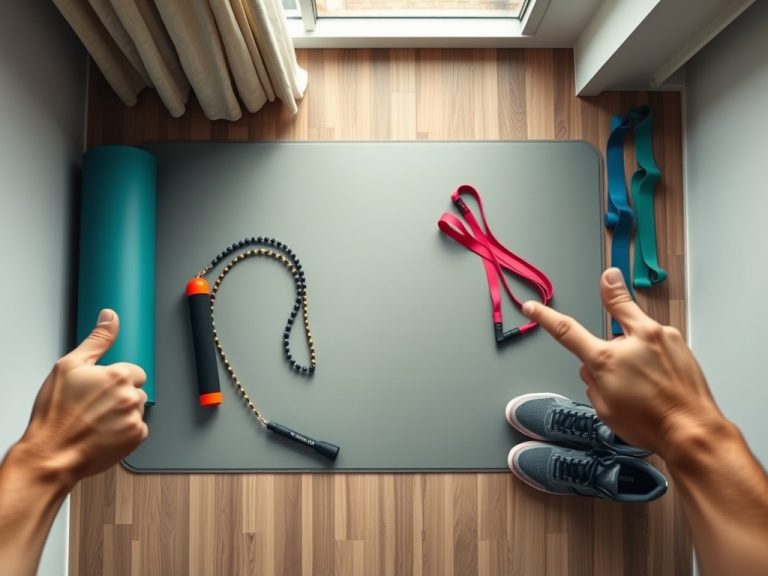
Restart with a balanced plan that restores aerobic capacity, strength, balance, and mobility gradually. Expect early improvements in confidence and tolerance before dramatic changes in appearance, and let health conditions, symptoms, and current function determine the starting level rather than age alone.
TL;DR: Begin below your maximum, schedule two strength sessions, add manageable aerobic movement, practice balance, and progress one variable at a time. Recovery may require more attention than it did years ago, but meaningful gains in function and fitness remain possible.
Age Is Context, Not a Stop Sign
People over 50 are not one fitness category. Training history, joint health, cardiovascular health, medications, sleep, work demands, and time away from exercise vary widely. A former athlete returning after five years and a lifelong beginner need different starting points even if they share a birthday.
Avoid using an old personal record as the opening prescription. Skills may return faster than tissues adapt, which can tempt experienced returners to add load or volume too quickly. Beginners face a different challenge: they may underestimate what small, consistent doses can accomplish.
The CDC's guidance for older adults emphasizes aerobic, muscle-strengthening, and balance activities for adults 65 and older, while also stating that people who cannot meet the full recommendations should be as active as their abilities and conditions allow. Adults in their 50s can use the same multicomponent logic without assuming they must train like someone else.
Establish Medical and Functional Context
Many people can begin with light-to-moderate activity, but a clinician should guide exercise when symptoms, unstable conditions, recent surgery, or complex medication effects create uncertainty. Ask specific questions: Are there intensity limits? Which symptoms require stopping? Are balance or blood-pressure changes a concern? Does a joint condition need modification?
Then assess ordinary function. Can you walk ten minutes comfortably? Rise from a chair with control? Carry groceries? Reach overhead? Stand briefly on one foot with support nearby? These are not diagnostic tests. They help you select a sensible entry point.
Health is wider than fitness. Review the difference between being active, fit, and healthy so the restart includes sleep, symptoms, stress, and clinical care rather than only workouts.
Build Four Components Into the Week
Aerobic activity trains the heart, lungs, and working muscles. Walking is accessible for many people, but cycling, swimming, dancing, and low-impact machines can reduce impact or add variety. Begin with a duration you can repeat while speaking in sentences, then add time before adding intensity.
Strength training supports muscle, bone, function, and independence. Use major movement patterns with machines, bands, dumbbells, body weight, or household tasks that can be progressed safely. Two nonconsecutive sessions can be a practical starting structure.
Balance practice can be brief and frequent. Use a stable support and choose drills appropriate to your ability, such as controlled weight shifts, tandem stance, or sit-to-stand practice. Mobility work should target movements you need, not force joints into painful ranges.
A Realistic Starting Ladder
| Current Starting Point | First Emphasis | Example Weekly Structure |
|---|---|---|
| Mostly sedentary | Build tolerance and routine | Short walks on several days plus one or two light strength sessions |
| Active but not training | Add planned progression | Two strength sessions and two or three aerobic sessions |
| Returning after a break | Rebuild below former volume | About half the old workload, then gradual increases |
| Managing limitations | Adapt movements and monitor response | Clinician-guided aerobic, strength, and balance options |
Do not treat the examples as fixed prescriptions. The best first week is one that produces useful information without creating a recovery problem.

Progress Without Chasing Soreness
For aerobic work, add a few minutes to one or two sessions before making every session harder. For strength, first improve setup, control, and repetition quality. Then add repetitions or a small amount of resistance. Keep unfamiliar high-impact activity conservative.
Soreness can occur after new exercise, but it is not required and does not measure workout quality. Sharp pain, swelling, altered gait, dizziness, or symptoms that worsen should not be ignored. When a session creates an unexpectedly strong response, reduce the next dose and seek guidance if the problem persists.
The National Institute on Aging's exercise resources offer practical material on activity for older adults. Use reputable guidance and professional instruction instead of viral challenges that ignore health history.
Set Expectations Around Recovery
You may need more deliberate warm-ups, sleep, and spacing between hard sessions than you remember. That is not failure. Recovery capacity is influenced by age, but also by stress, nutrition, training load, illness, and life demands.
During more demanding weeks, recovery nutrition habits can keep meals regular. Avoid aggressive dieting while trying to restore training capacity. If body composition is a goal, establish several weeks of consistent activity before making large food changes.
The current dietary guidelines emphasize nutrient-dense foods and adequate protein, vegetables, fruit, and whole grains. Review common healthy-eating mistakes if the restart is being undermined by skipped meals, rigid restriction, or weekend swings.
Measure Function Before Appearance
Choose markers connected to daily life: walking farther at the same perceived effort, climbing stairs with less fatigue, carrying bags more comfortably, completing controlled repetitions with more resistance, or maintaining balance with less support.
Resting heart rate, blood pressure, laboratory values, and symptoms may matter too, but interpret clinical measures with a professional. Body weight and photos can be included if they are appropriate and not distressing, but they should not erase functional gains.
Review every four weeks. Ask what became easier, what still creates symptoms, and which habit was easiest to repeat. A slow trend that supports independence is more valuable than a rapid change followed by another long break.
Common Restart Errors
Weekend-only overload is a frequent problem. Two punishing sessions do not create the same learning and tolerance as several manageable exposures. Another error is copying younger family members or influencers whose recovery, goals, and history differ.
Some returners avoid strength training because they fear injury, while others lift too much because light weights feel embarrassing. Use a load that challenges the target muscles while preserving control. Qualified coaching can shorten the learning curve.
Finally, do not assume every symptom is “just aging.” Persistent fatigue, unexplained shortness of breath, chest discomfort, significant balance changes, or unusual pain deserve appropriate evaluation.
Build the Next Decade One Session at a Time
Schedule one manageable aerobic activity, two short full-body strength sessions, and brief supported balance practice for the coming week. Keep the first dose conservative enough that you expect to repeat it.
After two to four weeks, progress only the component that is clearly tolerated. Seek clinical or exercise-professional help when limitations are unclear. The target is not a dramatic return to the past; it is a capable, sustainable routine that supports the life you want now.