A festival is best for layered public programming, an open house is best for guided access and relationship-building, and a pop-up event is best for short-term attention around a focused experience. The right choice depends less on trend appeal and more on budget, audience behavior, staffing capacity, venue control, and the action you want guests to take afterward.
Format Choice at a Glance
- Choose a festival when variety, public foot traffic, sponsors, and longer dwell time matter more than tight individual guidance.
- Choose an open house when the goal is education, facility access, product explanation, donor engagement, or stakeholder confidence.
- Choose a pop-up when the experience needs to be nimble, temporary, highly focused, and easier to test before scaling.
Start With the Job the Event Must Do
Teams often compare formats by atmosphere first: a festival feels lively, an open house feels welcoming, and a pop-up feels current. Atmosphere matters, but it should not drive the first decision. The first question is operational: what job must the event perform for the audience and the organizer?
A festival can create discovery. An open house can reduce uncertainty. A pop-up can spark urgency. Those are different outcomes, so they require different staffing, risk controls, floor plans, communication flows, and vendor structures. Selecting the format before defining the outcome can create a polished event that does not support the business or community goal.
If your team is still shaping the planning calendar, the guide on timeline mistakes that create missed deadlines can help identify which format will fit the available runway.
Festival: High Variety With Higher Coordination Load
A festival works when the event benefits from multiple zones, varied programming, casual exploration, vendor participation, entertainment, food, sponsors, or family-friendly movement. It can make sense for public culture events, neighborhood activations, campus programming, seasonal celebrations, and brand experiences that need broad reach.
The tradeoff is coordination complexity. Festivals may need larger staffing plans, crowd movement controls, weather alternatives, vendor load-in rules, temporary infrastructure, sanitation planning, accessibility routes, security coordination, emergency communication, and more detailed wayfinding. That does not make festivals risky by default; it means they deserve a more mature operations plan.
For public gatherings and venue operations, CISA's venue security enhancement resources offer useful planning context around secure environments and dependency disruptions.
Open House: Guided Access and Clearer Conversations
An open house is strongest when people need to see a place, meet a team, understand a process, ask questions, or compare options in a lower-pressure setting. Schools, clinics, community organizations, professional firms, developers, manufacturers, and cultural institutions often use this format because it creates structured access without requiring a formal conference-style program.
The operational load is usually narrower than a festival, but the guest experience must be carefully shaped. Parking, reception, tour flow, room readiness, staff talking points, safety zones, refreshments, signage, and follow-up capture all influence whether the event feels helpful or disorganized.
Open houses also need accessibility planning. The ADA guidance for temporary events explains common barriers and planning strategies for people with disabilities.
Pop-Up: Focused Attention With Shorter Commitments
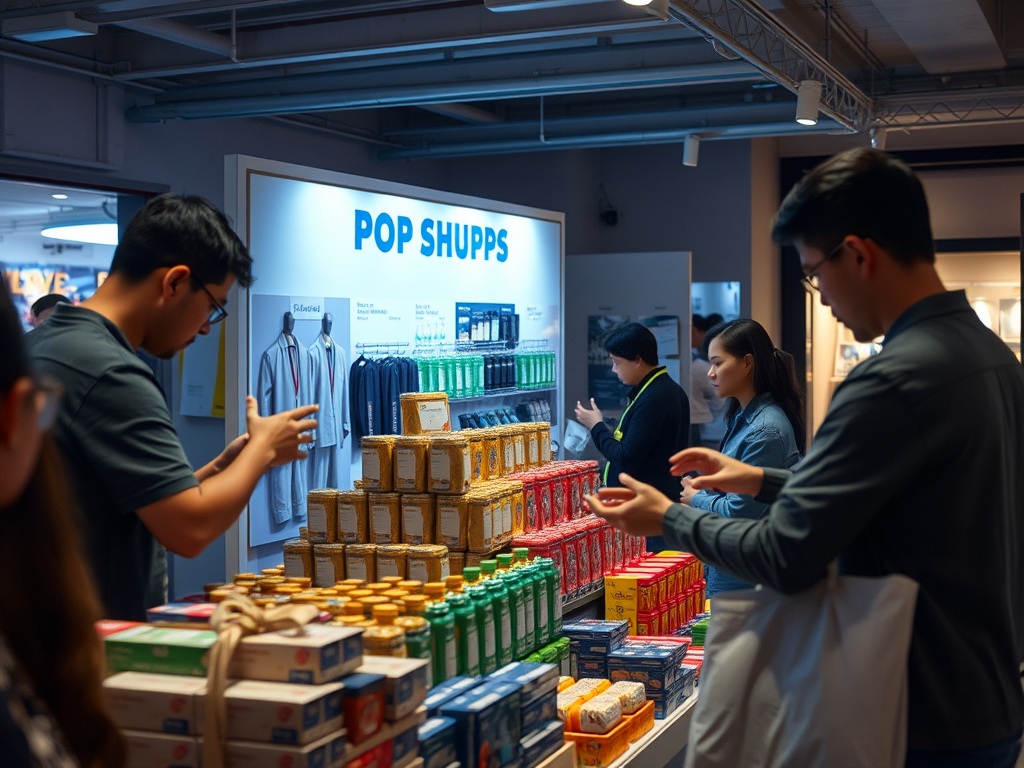
A pop-up event is useful when a team wants to test a concept, activate a small audience, create local attention, showcase a product, gather feedback, or bring a service into a temporary setting. Compared with festivals and open houses, pop-ups can be easier to pilot because the scope is usually tighter.
The challenge is that short does not mean simple. A pop-up still needs venue permissions, staffing, insurance review, setup rules, guest flow, basic accessibility, payment or registration systems when relevant, and a plan for what happens after the event. If the guest has only a brief encounter, the message and next step must be extremely clear.
Vendor needs may be lighter, but negotiation still matters. The article on vendor negotiation tools for event operations can help teams keep scope and pricing clearer before committing.
A Practical Format Comparison
| Format | Best Use | Main Strength | Main Watchout |
|---|---|---|---|
| Festival | Broad public engagement or multi-zone programming | Discovery, energy, sponsor visibility | Higher coordination, crowd flow, weather and vendor complexity |
| Open house | Facility access, education, trust-building, stakeholder tours | Clear conversations and guided discovery | Needs disciplined staff talking points and follow-up |
| Pop-up | Testing, local buzz, focused product or service moment | Speed, focus, flexible footprint | Can feel thin without a clear message and next step |
Decision Criteria That Should Override Preference
The best-fit format is the one the team can execute with enough safety, clarity, and follow-through. A festival may attract attention, but it can be the wrong choice if staffing is thin or permits are uncertain. An open house may feel modest, but it can be the best choice when trust-building and explanation matter. A pop-up may look efficient, but it can underperform if the audience needs more context before acting.
Budget is only one part of the decision. Teams should also compare planning runway, stakeholder approval needs, venue control, weather exposure, accessibility requirements, sponsor expectations, content needs, data capture, and post-event sales or community follow-up. Each factor changes the real cost of the format.
As a best practice, document why the chosen format matches the goal. That short rationale helps prevent late-stage format drift, where a pop-up slowly turns into a mini festival without the budget or staffing to support it.
How to Make the Choice Feel Less Subjective
Score each option from one to five against goal fit, audience fit, budget fit, operational control, risk level, staffing demand, and follow-up value. The score will not make the decision for you, but it will reveal where enthusiasm may be hiding weak execution conditions.
Also ask what the event should teach you. If the team needs to learn which audience segment is most responsive, a pop-up may be enough. If the team needs to show community presence, a festival may offer better reach. If the team needs to educate stakeholders, an open house may deliver deeper conversations.
This distinction between fact and preference matters. Verified facts include dates, access rules, venue policies, and costs from official sources. Judgments about atmosphere, value, or audience excitement are opinions and should be treated as planning assumptions until attendee behavior proves them.
Format Selection Guardrails for Stakeholders
Stakeholders may prefer the format that feels most exciting, most visible, or easiest to explain. The event lead should translate those preferences into operating consequences. A festival may require more public safety coordination. An open house may require more trained hosts. A pop-up may require sharper local promotion and a tighter follow-up path.
Create a one-page format brief before approval. Include the goal, audience, expected behavior, planning runway, budget range, staffing model, major risks, and post-event use of data or content. This keeps the decision practical without removing creativity.
If leadership changes the format later, update the brief rather than treating the change as cosmetic. A format change usually affects vendors, guest communication, venue layout, content, accessibility planning, and measurement.
Choose the Format You Can Support
The smartest event format is not always the biggest or trendiest one. It is the format your team can plan, staff, communicate, and follow up with confidence. This content is for informational and educational purposes only and does not replace legal, financial, travel, immigration, safety, venue, or contractual advice. Confirm all requirements with official organizers, venues, vendors, and local authorities before committing resources.