Cleaning, Decluttering & Home Organization | How-To | Informational | Intermediate | Top of Funnel
A clutter-free living room is easier to maintain when every frequently used item has a realistic home and reset tasks fit into ordinary routines. The goal is not a showroom; it is a room that can return to functional order quickly after normal use.
The most durable system combines less visual inventory, storage near the point of use, clear walking paths, and a short reset rhythm. That approach reduces the number of decisions you have to make each time the room starts to look busy.
TL;DR
- Set a fixed home for everyday items before buying more organizers.
- Keep the surfaces and pathways that matter most intentionally underfilled.
- Use short daily resets and a slightly deeper weekly review instead of relying on occasional marathon cleanups.
- Treat safety as part of organization: exits, heating areas, cords, and top-heavy furniture should remain clear and secure.
Start with a realistic definition of clutter
Clutter is not simply the presence of objects. In a living room, it is usually a mismatch between what the room needs to support and where those objects are stored. A blanket used every night is not a problem if it has a basket beside the sofa. Five remotes spread across a coffee table become friction because nobody knows where to return them.
Begin by identifying the room's recurring activities: relaxing, reading, television, gaming, children's play, hobbies, entertaining, or work. Then list the objects each activity genuinely needs. This prevents a common mistake: organizing everything currently in the room instead of questioning whether all of it belongs there.
If you also want the room to feel more individual without adding visual noise, the article on making a rental feel more personal offers a useful companion principle: fewer intentional objects often read more strongly than many small decorative pieces.
Gather simple tools before the first reset
You do not need a complicated storage system. Prepare four temporary containers or zones: keep here, move elsewhere, donate or sell, and discard or recycle. Add a microfiber cloth, a small trash bag, labels if your household benefits from them, and a tape measure for any storage piece you are considering.
Measure first because storage that blocks a walkway, prevents a door from opening fully, or protrudes beyond furniture edges can create a new problem. If children live in or visit the home, organization should also account for tip-over hazards. The U.S. Consumer Product Safety Commission recommends securing top-heavy furniture and televisions and keeping tempting objects off furniture that children might climb.
Before moving baskets, carts, or furniture, check that exits remain open. U.S. Fire Administration guidance stresses keeping doorways and windows clear for escape. That safety rule is a practical filter: no organizing idea is useful if it narrows an essential exit route.
Build the room around a five-step reset
1. Remove obvious trash and dishes first. This creates immediate visual progress without forcing decisions about belongings.
2. Return objects that belong in other rooms. Do not stop to reorganize those rooms during the living-room reset; place the items in a carry basket and redistribute them at the end.
3. Group what remains by activity. Put reading items together, media accessories together, toys together, and so on. Grouping exposes duplicate items and makes the next step much easier.
4. Assign each group a home close to where it is used. Closed storage reduces visual activity, while open storage is better for items that need visibility to be remembered. Neither is universally better. Choose based on how the household actually behaves.
5. Clear one or two priority surfaces completely, then add back only what earns the space. A coffee table may need a tray and nothing else; a side table may need a lamp, coaster, and book. Leaving breathing room makes later disorder more obvious and easier to correct.
Make storage easy enough to use without thinking
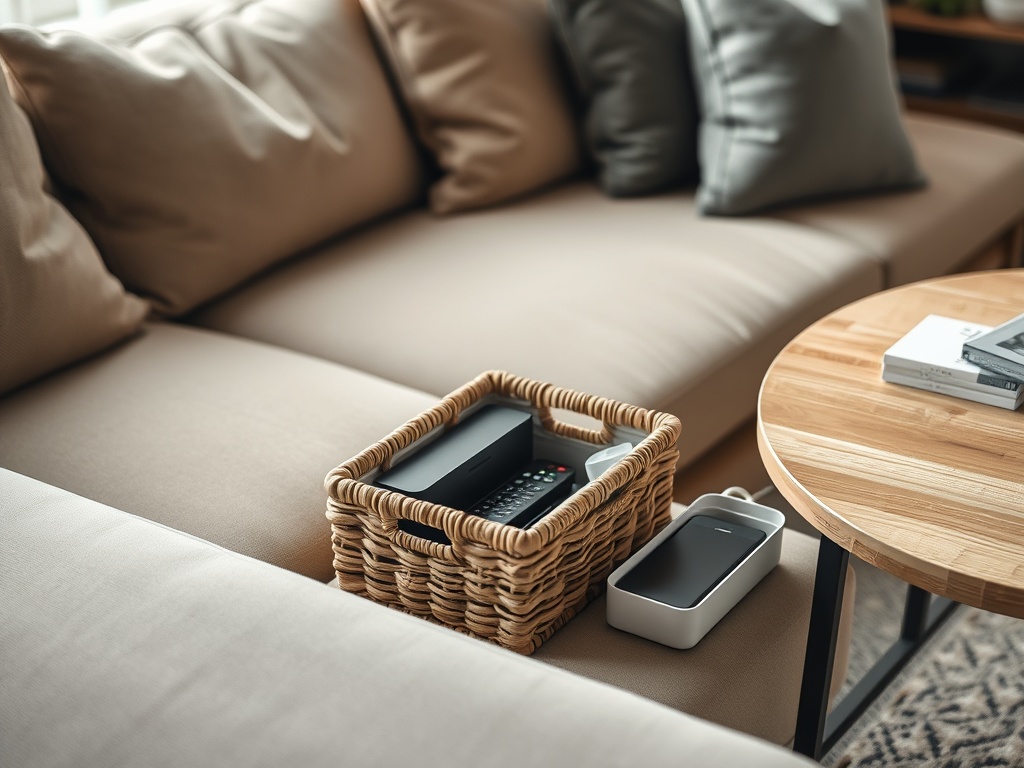
The best storage location is usually the place where an item naturally gets dropped. If game controllers always land beside one chair, a small box in that area is more effective than a cabinet across the room. If throws collect on the sofa, a floor basket within arm's reach beats a closet that requires several extra steps.
Use labels when more than one person shares the system or when containers look alike. For high-turnover items, broad labels such as "cables," "games," or "pet supplies" are usually more sustainable than narrow categories that require constant sorting. For infrequently used items, tighter categories can save search time.
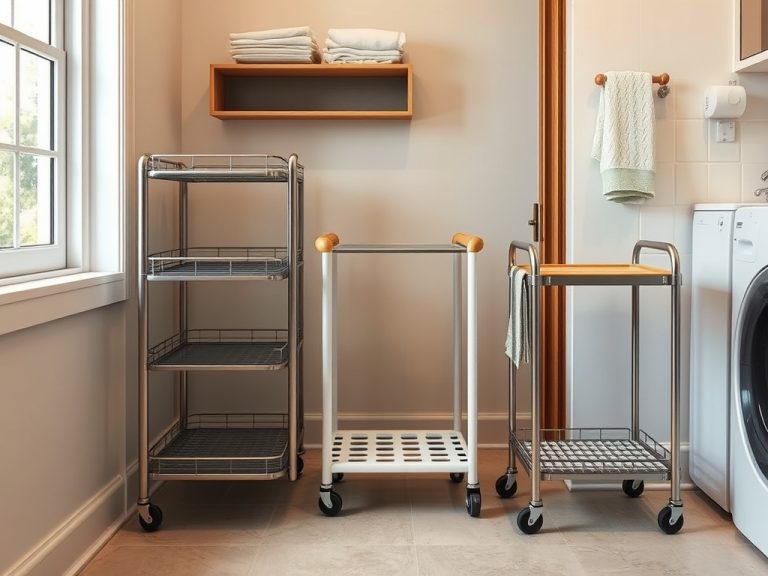
For objects that move between rooms, a mobile unit can be useful. The guide to rolling carts for kitchens, bathrooms, and laundry explains when wheels solve a genuine access problem and when a stationary bin is simpler.
Use maintenance rhythms instead of rescue cleanups
A two-to-five-minute evening reset can handle pillows, blankets, dishes, stray papers, and remotes. The exact duration matters less than the trigger. Tie the reset to something that already happens, such as turning off the television or preparing for bed. A recurring trigger removes the need to remember another task.
Once a week, look for accumulation rather than perfection. Empty the catch-all tray, return borrowed items, review papers, vacuum under movable pieces, and check whether any storage category is overflowing. Overflow is information. It may mean the container is too small, but it can also mean too many items have entered the category.
Once a season, reassess objects that have become invisible through familiarity: outdated magazines, broken chargers, decor you no longer notice, toys that are no longer used, or throws that never leave the basket. A maintenance system works when it reduces inventory gradually rather than simply finding larger containers.
Troubleshoot the habits that keep bringing clutter back
If flat surfaces refill within a day, the problem is often an undefined landing zone. Create one controlled drop area for keys, mail, and small personal items, then empty it on a schedule. If every surface becomes a landing zone, the room has no clear rule.
If family members ignore the system, simplify it before blaming behavior. Open baskets may work better than lidded boxes; one toy category may work better than six; a hook may work better than a hanger. Organization should remove steps from ordinary behavior.
If the room still feels crowded after it is technically tidy, look at visual density. Too many small containers, exposed cables, mixed colors, and open shelves can read as busy even when sorted. Consolidating small objects into a few larger visual groups can make the room feel calmer without removing useful belongings.
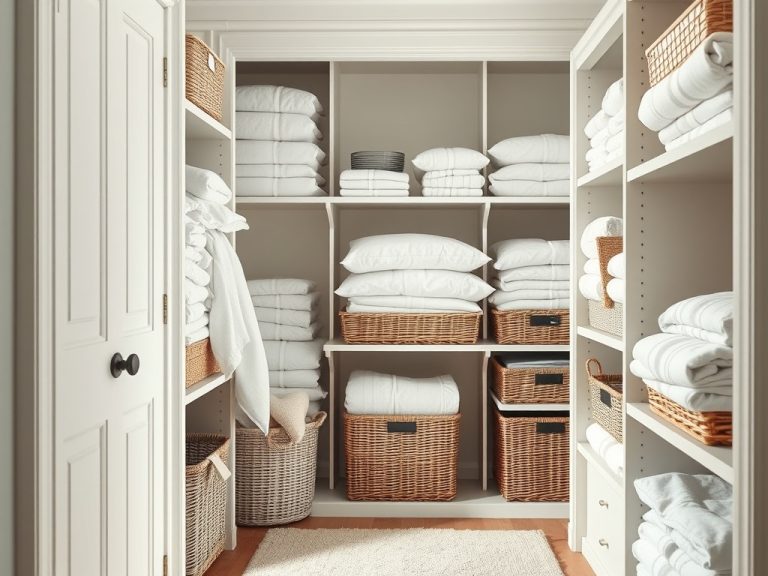
If household linens are migrating into living-room storage because the linen closet is hard to use, fix the source rather than adding another basket. A dedicated method for organizing linen closets for fast access can return those items to a more logical home.
Keep the room easy to reset, not impossible to use
A living room stays orderly when the system respects real life. Leave room for a current book, an active puzzle, or a favorite blanket, but give each item a defined boundary. The test is simple: can the room be reset without making dozens of decisions?
Start with one high-friction zone this week, such as the coffee table or media console. Reduce what lives there, assign homes to what remains, and observe the result before buying any new organizer.
General information note: Home-organization guidance is general and educational. Adapt storage, anchoring, fire-safety, and accessibility decisions to your household, building, and local requirements.